
The Pediatric Pelvic Health program is for children and teenagers who need help in addressing incontinence-related dysfunctions, bowel or bladder challenges, pelvic or abdominal pain, or pelvic floor muscle dysfunction.
To participate in the Pediatric Pelvic Health program at the Children’s Developmental Center, you will need a referral from either your child’s primary care doctor or specialist with a diagnosis related to bowel, bladder, pelvic floor, or abdominal concerns that would benefit from ‘Physical Therapy Evaluation and Treatment.’ This program also supports children with neurodevelopmental and sensory processing difficulties, for example: anxiety, autism, ADHD, Down Syndrome, Cerebral Palsy, Ehler’s Danlos. Appointments can be done in person at the Center, or via telehealth.
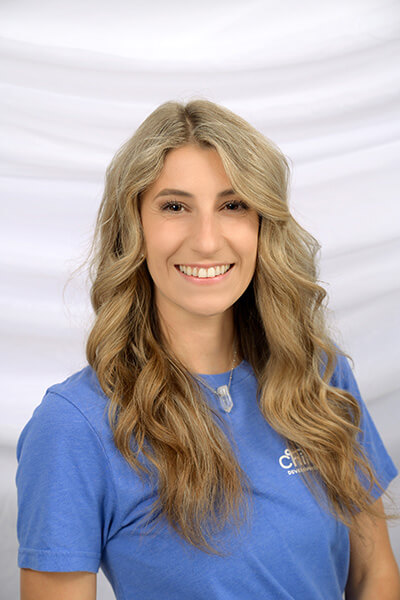
“Brea is an excellent therapist. She was so caring and loving with my daughter through a sensitive situation. She was even thoughtful and caring to me as the mother. I would hands down recommend Brea to anyone that needs her specialized services.”
Pain with urination, bowel movements or post-surgical. If your child complains of pain, they need to be seen by a physician who can then refer to this program if appropriate.
This includes both frequent or infrequent wetting during the day, extreme urinary urgency, urine leakage with sports activity, urine leakage with coughing or sneezing, giggle incontinence, drops of leakage to full bladder emptying.
There are many daytime bowel and bladder habits and other factors that might be contributing to chronic constipation. This includes diet, hydration, toilet posture, use of pelvic floor muscles, abdominal and diaphragm function, physical activity/exercise, musculoskeletal imbalances, and much more.
Hydronephrosis management benefits greatly from healthy voiding habits and coordinated pelvic floor muscle control. Treatment helps improve bladder emptying, decrease pelvic floor tension, and promote optimal postural habits to protect kidney function now and in the future.
Loss of feces during the daytime: smears, small amounts in the underwear/pull up, to full bowel movements is embarrassing and can be an indicator of more serious issues with constipation.
There are many causes of bed wetting but the most common is increased stool in the rectum. This program can help determine the underlying cause of your child’s bedwetting and design a program for your child to stay dry overnight.
If your child has frequent UTIs, they need to see a pediatric urologist who can then refer to this program.
If your child needs to use the bathroom more than once an hour or feels sudden intense urges, pelvic floor physical therapy can help. We work to calm bladder signaling and improve pelvic floor coordination to restore healthy communication between the body and brain for better bladder control.